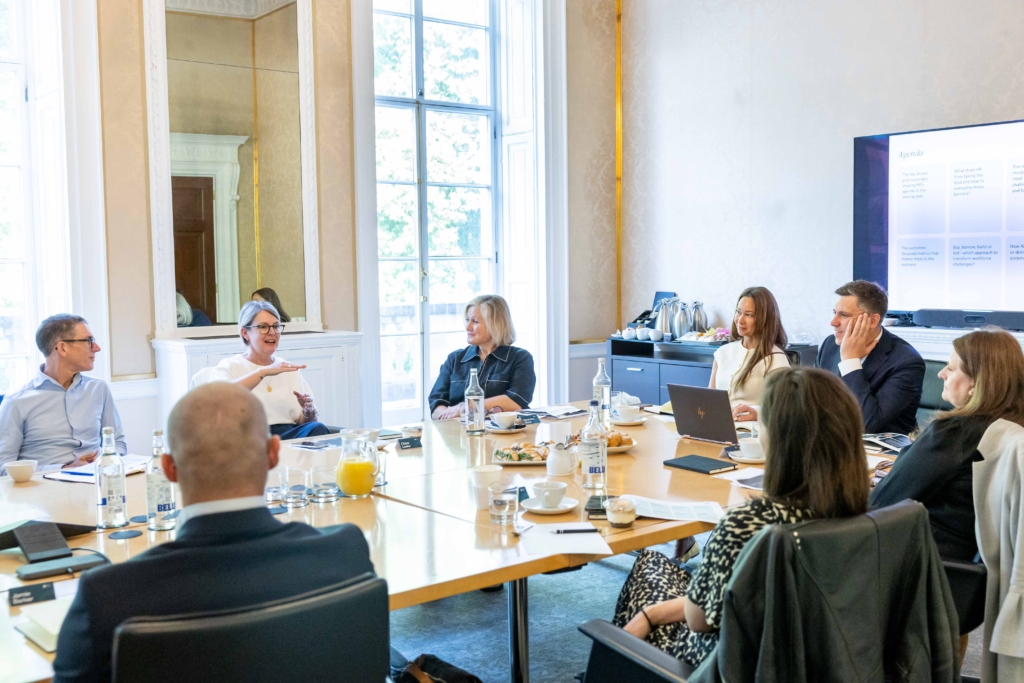
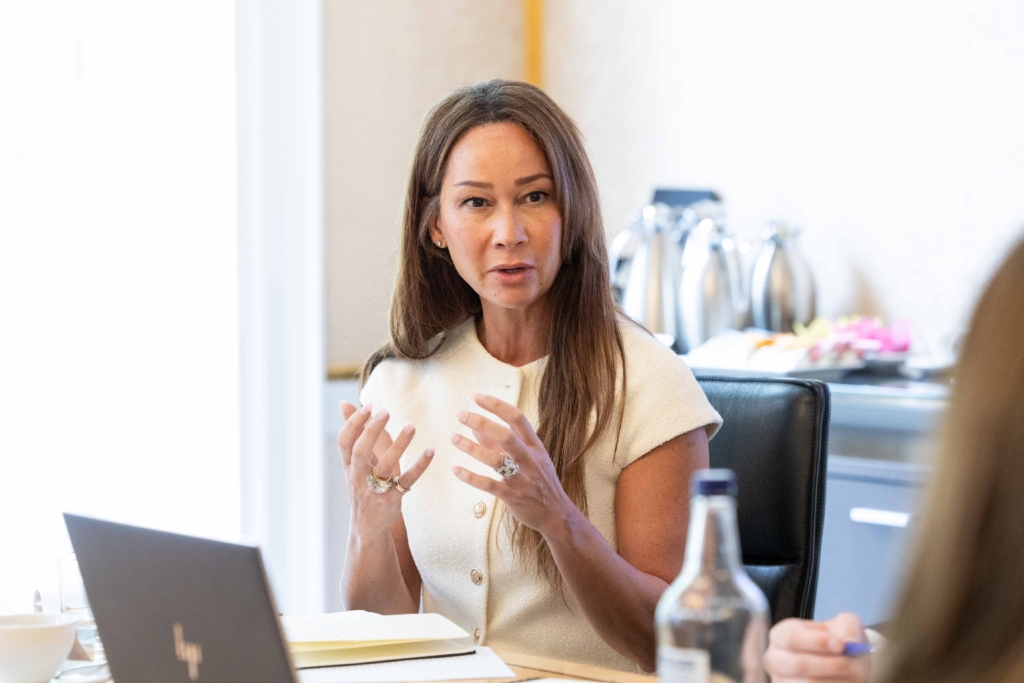
For years, wellbeing has been high on the HR agenda but at a recent Compass Carter Osborne round table, a more urgent theme emerged: resilience.
With AI, hybrid models, and organisational change becoming the norm, HR leaders said it’s no longer enough to support staff through disruption. The challenge now is to equip them to thrive within it.
“People might be turning up for work every day, but is that actually resilience, or do we need people to be showing adaptability, the kind of resilience that helps them move forward, not just hang on?”
In the health and care sector, where emotional demands are high and change is constant, this distinction matters.
A more dynamic definition
The conversation made clear that traditional wellbeing strategies, mental health days, staff helplines, yoga apps, remain important, but they aren’t always enough. Leaders are increasingly thinking about resilience not as a personal trait, but as an organisational outcome.
That means building cultures where people feel safe to adapt, supported to learn, and confident navigating the unknown.
“We talk a lot about supporting wellbeing, but resilience is about helping people feel equipped, not just comforted.”
It also requires recognising that pressure isn’t always the problem. Purpose, autonomy and connection can create positive stress, the kind that fuels motivation. The key is ensuring workloads, expectations and communication are aligned.
Leading by example
Several panellists spoke about the importance of leadership modelling. When senior teams handle ambiguity well, take care of their own energy, and stay calm under pressure, it gives others permission to do the same.
“Resilience is contagious, but so is burnout.”
Others warned against pushing resilience as a solution to structural issues. If staffing levels, digital tools or systems aren’t working, no amount of mindfulness will solve the problem. Resilience needs to be paired with action and honest dialogue.
Designing for change
One of the strongest takeaways was that resilience must be built into how organisations operate, not treated as an HR initiative. That means designing onboarding, performance reviews, team structures and training programmes with adaptability in mind.
It also means preparing people not just for the work they do today, but for the work that’s coming. As one panellist put it:
“We know AI will change how people work. We don’t need to scare them, but we do need to equip them.”
In brief:
HR’s focus is shifting from reactive wellbeing to proactive resilience.
True resilience comes from culture, leadership behaviour and system design, not just support tools.
Preparing people for change is no longer optional; it’s core to the health and performance of the workforce.
Are you seeking a trusted partner to support your executive search in healthcare?
We bring decades of executive search experience and a proven track record of success across our dedicated sectors. Our investor clients rely on us time and again to build exceptional leadership teams that drive growth and deliver results.